


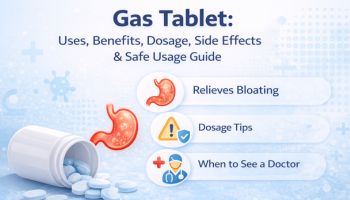


Gas Tablet: Uses, Benefits, Dosage, Side Effects & Safe Usage Guide
Mar 10, 2026
Stomach gas and bloating are common digestive problems that many people experience after eating certain foods or due to digestive issues. While mild gas usually goes away on its own, persistent discomfort may require relief through medication. One commonly used solution is a gas tablet, which helps reduce bloating and relieve pressure caused by trapped gas in the stomach.
In this guide, we will explain what a gas tablet is, how it works, its benefits, recommended dosage, possible side effects, and safe usage tips so that you can manage digestive discomfort effectively.
What Is a Gas Tablet?
A gas tablet is a medication used to relieve symptoms caused by excess gas in the stomach or intestines. These tablets are designed to break down gas bubbles or reduce stomach acidity, which helps relieve bloating and abdominal discomfort.
Gas tablets are commonly used to treat symptoms such as:
-
Stomach bloating
-
Trapped gas
-
Frequent burping
-
Abdominal discomfort
-
Feeling of fullness after meals
Many gas tablets contain ingredients like simethicone, activated charcoal, digestive enzymes, or antacids, which help improve digestion and reduce gas buildup.
Common Causes of Gas and Bloating
Gas can develop in the digestive system due to several everyday factors. Understanding the cause can help prevent the problem.
1. Eating Too Quickly
Eating quickly can cause you to swallow air, which leads to gas buildup in the stomach.
2. Certain Foods
Some foods are known to produce more gas during digestion, including:
-
Beans and lentils
-
Cabbage and broccoli
-
Carbonated drinks
-
Fried or fatty foods
-
Dairy products (for lactose-intolerant individuals)
3. Poor Digestion
Weak digestion or enzyme deficiency can lead to incomplete food breakdown, which produces gas during fermentation in the intestines.
4. Digestive Conditions
In some cases, gas may be linked to digestive disorders such as:
-
Irritable Bowel Syndrome (IBS)
-
Acid reflux
-
Indigestion
-
Constipation
If symptoms occur frequently, medical consultation is recommended.
How Does a Gas Tablet Work?
A gas tablet works by helping break down or eliminate gas bubbles in the digestive system.
Different types of gas tablets work in different ways:
Simethicone-Based Tablets
These tablets combine small gas bubbles into larger ones so they can pass more easily through burping or flatulence.
Antacid Tablets
Antacids neutralize excess stomach acid, which may reduce gas formation and indigestion.
Digestive Enzyme Tablets
These tablets improve food digestion and reduce gas caused by incomplete breakdown of food.
Benefits of Using a Gas Tablet
When used correctly, a gas tablet can provide several digestive health benefits.
Quick Relief From Bloating
Gas tablets help relieve the tight and uncomfortable feeling caused by gas buildup.
Improves Digestive Comfort
They help reduce stomach pressure, making it easier to continue daily activities.
Convenient and Easy to Use
Gas tablets are easy to carry and can be taken after meals when symptoms appear.
Helps Manage Occasional Indigestion
For people who experience occasional gas due to diet or lifestyle, gas tablets provide quick relief.
Recommended Dosage of Gas Tablet
The dosage of a gas tablet depends on the type of medication and the individual’s condition. Always follow the instructions provided on the product label or prescribed by a healthcare professional.
General Dosage Guidelines
-
Usually taken after meals or when symptoms occur
-
Some tablets may be taken 2–3 times a day if needed
-
Chewable tablets should be chewed before swallowing
Never exceed the recommended dosage.
If symptoms continue for several days, consult a doctor before continuing medication.
Possible Side Effects of Gas Tablets
Gas tablets are generally considered safe when taken as directed. However, some people may experience mild side effects.
Common side effects may include:
-
Nausea
-
Mild stomach discomfort
-
Constipation
-
Loose stools
Serious side effects are rare, but you should stop using the medication and consult a doctor if you experience:
-
Allergic reactions
-
Severe stomach pain
-
Persistent digestive problems
Who Should Avoid Taking Gas Tablets?
Certain individuals should consult a healthcare professional before taking a gas tablet.
These include:
-
Pregnant or breastfeeding women
-
Children without medical supervision
-
People with chronic digestive disorders
-
Individuals taking multiple medications
A doctor can recommend the safest option based on your health condition.
Natural Ways to Reduce Gas and Bloating
While gas tablets help relieve symptoms, lifestyle changes can also prevent gas problems.
Eat Slowly
Eating slowly reduces the amount of air swallowed during meals.
Avoid Gas-Producing Foods
Limit foods that commonly cause bloating.
Drink Plenty of Water
Water supports healthy digestion and helps prevent constipation.
Exercise Regularly
Physical activity helps stimulate digestion and reduce gas buildup.
Manage Stress
Stress can affect digestion and lead to stomach discomfort.
When Should You See a Doctor?
Occasional gas is normal, but certain symptoms may require medical attention.
Consult a doctor if you experience:
-
Severe or persistent abdominal pain
-
Unexplained weight loss
-
Frequent vomiting
-
Blood in stool
-
Long-lasting digestive issues
These symptoms may indicate an underlying digestive disorder that needs proper diagnosis.
How to Buy Gas Tablets Safely Online
Buying medicines online can be convenient, but it is important to choose a trusted pharmacy platform.
When purchasing gas tablets online, consider the following:
-
Ensure the pharmacy is licensed and reliable
-
Check product details and ingredients
-
Read dosage instructions carefully
-
Avoid unverified or suspicious sources
Trusted online pharmacies provide genuine medications and proper guidance for safe use.
Final Thoughts
Gas and bloating are common digestive problems that can affect daily comfort and well-being. A gas tablet can provide quick relief by reducing gas buildup and improving digestion. However, it should be used responsibly and according to recommended guidelines.
Maintaining a balanced diet, staying active, and identifying foods that trigger gas can help prevent frequent digestive discomfort.
If symptoms persist or worsen, consulting a healthcare professional is the best way to ensure proper treatment and long-term digestive health.
You can also visit here:
What Causes Gas and Bloating in the Stomach?
Best Gas Tablet for Quick Relief from Bloating
How to Take a Gas Tablet Safely: Dosage & Tips
Home Remedies for Gas and Bloating
When Should You See a Doctor for Gas Problems?
Recent Post

Irregular Periods: Causes, Symptoms & Treatment Options

What is Mounjaro? Uses, Benefits & How It Works

Home Remedies vs Gas Tablets: What Works Faster?
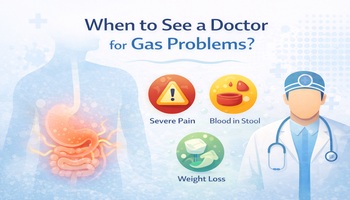
When to See a Doctor for Gas Problems

Best Gas Tablet for Quick Relief from Bloating

What Causes Gas and Bloating in the Stomach?

Side Effects of Antibiotic Tablets: What You Should Know
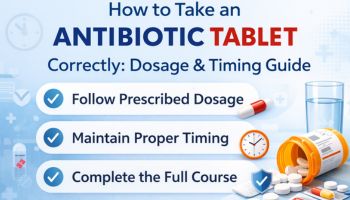
How to Take an Antibiotic Tablet Correctly: Dosage & Timing Guide
Antibiotic Tablet: Uses, Dosage, Side Effects & Safe Online Purchase Guide

Best Cholesterol Lowering Medicine Online: Types, Uses & Side Effects Explained
Licensed Pharmacy
Drugs & Cosmetics Act 1940
Licensed Pharmacist
Mirza Askary Ali, B.Pharm · #031171/A1
Nationwide Delivery
Speed Post · All India Pincodes
Drug License Active
TS/HYD/2021-82149 · Form 20 & 21